 What Florence's 1980s Housing Stock Means for Your Garage Door
Florence homes mostly date to the 1980s and sit in a cold-severe climate band.
Replacing a Garage Door in Florence, KY
What homeowners in Florence, KY should know before replacing a garage door, based on local housing age, median income, and the area's cold-climate stress on steel and springs.
Local detail
What Is Going On
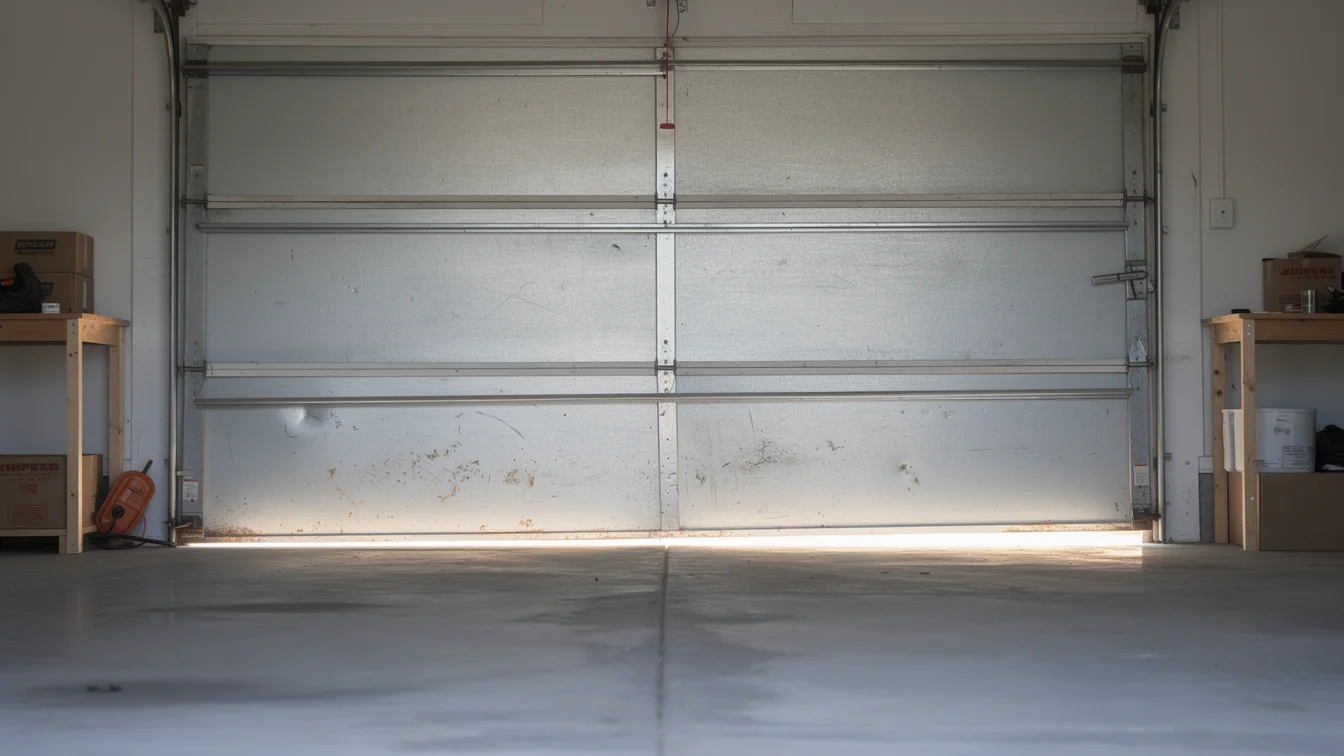
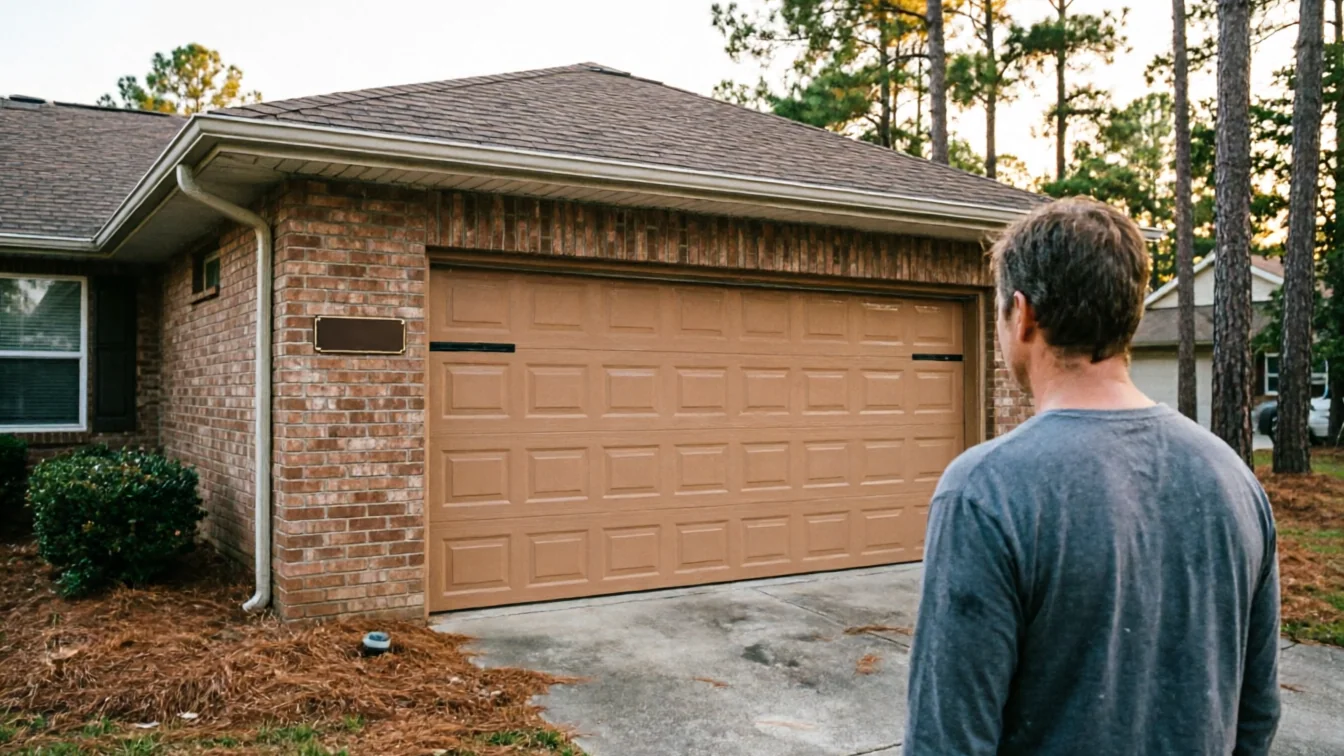
Housing in and around Florence went up mostly between 1938 and 2005, with the median build year landing around 1984. That means a lot of doors on the road today are original or close to it - steel sectional doors from the 1980s and 90s, often with the torsion hardware and spring sizing that was standard for that era. When one of these doors starts binding, sagging at a corner, or making a new noise on the way up, it's usually not a mystery part failing out of nowhere. It's forty-year-old steel and forty-year-old springs finally catching up to the house. If your door was installed anywhere near when the house was built, you're not dealing with a one-off glitch, you're dealing with hardware that's near the end of its rated life. Replacement at that point isn't an upsell, it's the next step in the house's timeline. The question worth asking isn't whether the door looks fine from the driveway, it's whether the spring, the rollers, and the track are still doing the job they were sized for thirty-plus years ago.
The area
When Waiting Is Fine
Not every symptom means buy a new door now. A door that's a little loud on rollers, or one panel with surface rust that hasn't gone through the steel, can usually wait for a scheduled service call rather than a same-week replacement. If the opener still runs smooth and the door seats flush at the bottom, cosmetic wear on an older panel isn't an emergency - it's a maintenance item. We'll say plainly: we don't push full replacement on a door that's still structurally sound just because it's old. If a spring adjustment or a roller swap gets a 1980s or 90s door running quiet and balanced again, that's the honest fix, and it costs less than a new door. The time to stop waiting is when the fix starts costing nearly as much as the door itself, or when parts for that specific hardware generation are getting hard to source - which, given how many houses in this area share that build era, is becoming more common, not less.
What we find
What Local Conditions Do
This area sits in a cold, severe climate band, and that matters more for a garage door than most people think. Steel panels contract in deep cold, which is exactly when a spring already near the end of its cycle life is most likely to snap - not in July, in January. Weatherstripping on an older door loses flexibility in cold swings faster than it would in a mild climate, which lets in the draft that then makes the attached garage colder, which stresses the opener's cold-start load, which shortens its life too. It's a chain, and it starts with the climate band this area sits in. Doors installed when the housing stock here was going up - that 1980s-to-90s window - weren't built with today's insulation standards in mind, so a straight swap to a modern insulated door often fixes a cold-garage complaint that homeowners assume is an opener problem. None of this is dramatic. It's just what cold does to old steel and old springs, year after year, until it doesn't hold anymore.
How we work
When It Stops Being a DIY Job
Adjusting a sensor or tightening a loose track bracket is reasonable DIY territory. A torsion spring under load is not - on a door sized for a typical house in this area, that spring can put out enough force to break a bone or worse, and youtube videos don't cover what happens when a forty-year-old spring lets go mid-adjustment. If you're looking at a full door replacement because the hardware matches the house's 1980s or 90s build era, that's also past the DIY line: panel sizing, track alignment, and opener compatibility all have to match, and getting one wrong means redoing the whole job. With median household income in the area around $80,814, most homeowners here are weighing a real repair-versus-replace decision, not just picking the cheapest option - which is exactly the call worth making with someone who can look at the actual spring and track in front of them. Reach out through our page at / and we'll walk through what your door needs.
Questions
Common questions
Is my garage door too old to repair instead of replace?
Depends on what's actually worn. If the housing in your part of Florence matches the typical 1980s-90s build era and the door is original, the spring and rollers are likely near end of life even if the panels look fine. A quick look at the hardware tells us whether a repair holds or whether you're paying twice.
Why did my spring break in winter and not summer?
Cold contracts steel and adds load right when a spring is already fatigued, which is why breaks cluster in the coldest stretches. This area sits in a severe cold climate band, so winter failures on older torsion springs are common here, not a fluke.
Will a new door actually cut the draft in my garage?
Often yes, if the current door dates to the area's typical 1980s-90s stock - weatherstripping and insulation standards from that era weren't built for sustained cold. A modern insulated door usually closes that gap without needing opener changes.
Can I replace a torsion spring myself?
We'd advise against it. The spring on a standard residential door holds enough force to cause serious injury if it releases wrong, and that risk doesn't go down because the door is old - if anything it goes up, since older springs fail less predictably.
Recommendation
You Might Also Like
More garage door guides for Florence homeowners.
What Florence's 1980s Housing Stock Means for Your Garage Door
Florence homes mostly date to the 1980s and sit in a cold-severe climate band.
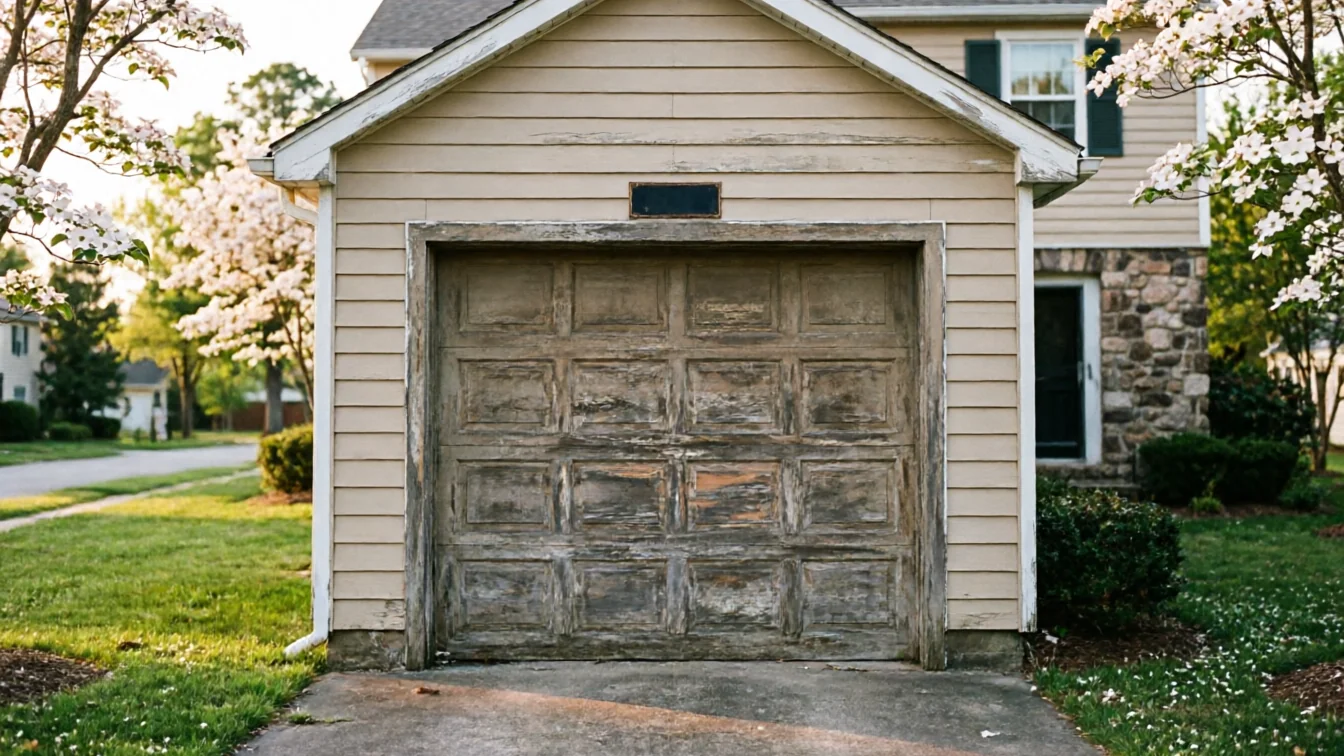 What an Older Door Is Worth Fixing in Florence
Florence homes mostly date 1938-2005, median 1984.
 What Your Garage Door Is Trying to Tell You in Florence
Florence homes date mostly from 1938 to 2005, and cold winters stress aging torsion hardware.
Ready when you are
Need a garage door sorted in Florence?
Florence Garage Door Pros repairs and installs garage doors, springs and openers in Florence, KY and the surrounding area.