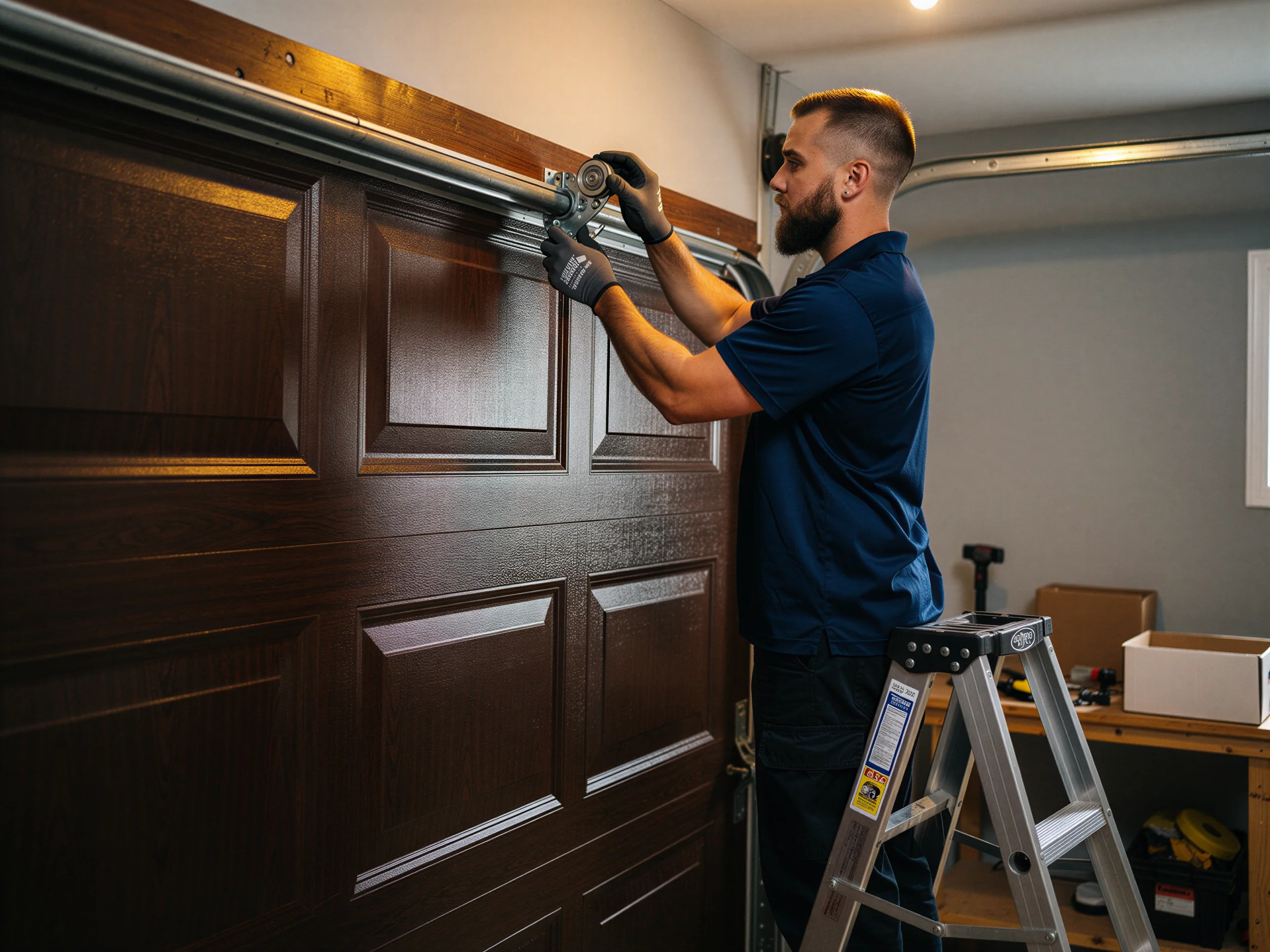
Florence's housing stock mostly went up between 1938 and 2005, with the median build year landing around 1984, which puts a lot of original torsion springs and openers right at or past the end of their expected service life. A spring rated for 10,000 cycles doesn't care that the house still looks new - it's counting door openings, not years.
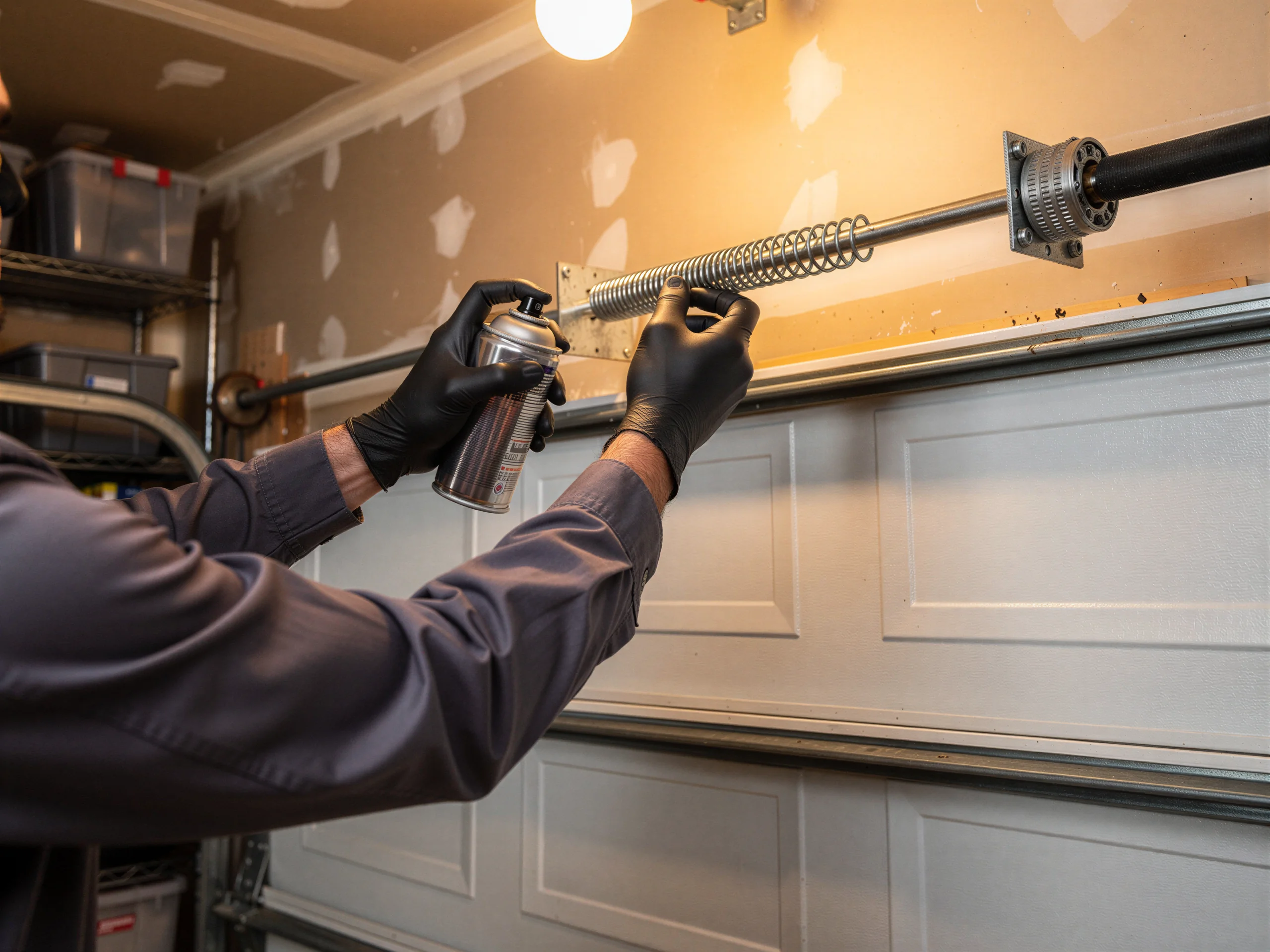
Winters here fall into a cold-severe band, and cold steel behaves differently than warm steel. A torsion spring that's fine in August can bind or snap in January because the metal has lost flexibility and the lubricant inside the coils has thickened. Openers also draw more current trying to lift a door that's stiffer than usual, which is a common way a motor burns out two years early.
Because so much of the stock here dates to the 1980s and 90s, a lot of doors were built lighter than what homeowners later added - insulated retrofits, decorative overlays, extra glass panels - without anyone upgrading the spring to match the new weight. That mismatch is one of the most common things we find on a maintenance call, and it's invisible until the spring gives out.