
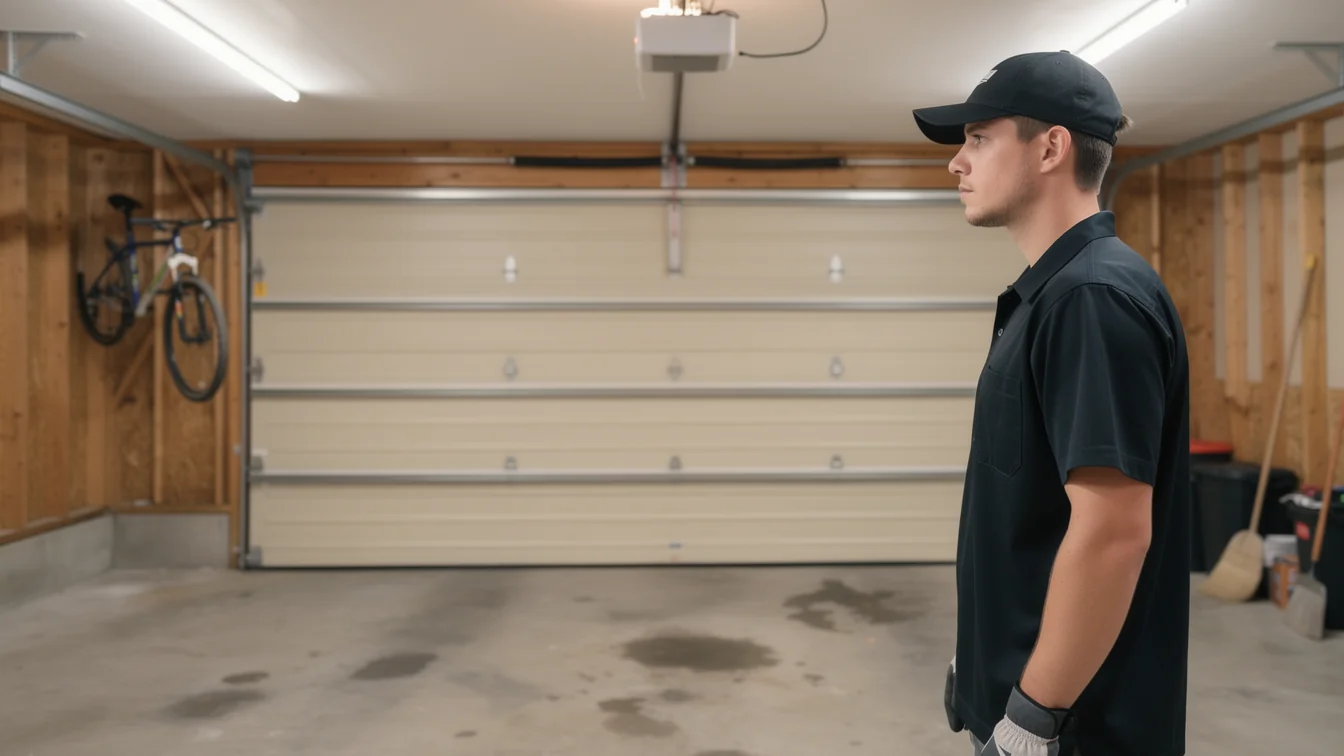
 What Your Garage Door Is Trying to Tell You in Florence
Florence homes date mostly from 1938 to 2005, and cold winters stress aging torsion hardware.
What Florence's 1980s Housing Stock Means for Your Garage Door
Florence homes mostly date to the 1980s and sit in a cold-severe climate band. Here's what that combination actually does to a garage door and spring.
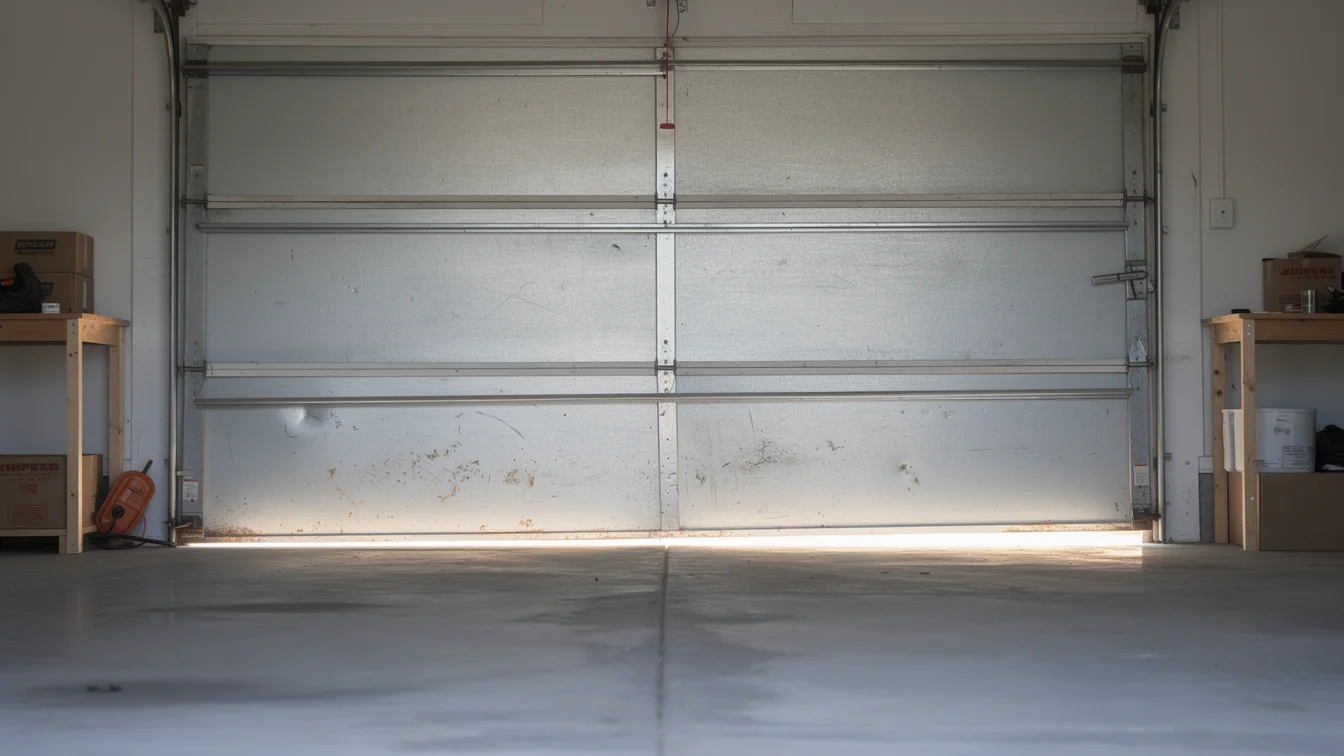
Local detail
What Is Going On
Most houses in this service area, including the stretch between Oakbrook and Edgewood, went up between 1938 and 2005, with the median landing around 1984. That's not a random detail. A door and opener installed when a house was built, or replaced once in the decades since, is now old enough that its hardware is past its design life even if it still looks fine from the driveway. Across the 31 named areas here, from Elsmere to Independence, the stock leans heavily 1980s-90s construction, which means a lot of torsion springs, rollers, and cable drums that have logged tens of thousands of cycles. Nothing about that is an emergency by itself. It's just math: a steel torsion spring is rated for a set number of open-close cycles, and a door that's been part of daily life since the Reagan administration has probably used most of them up. With median household income here at $80,814, most owners in this area can cover a spring replacement without putting it off for months, which is worth knowing before a part fails on a Saturday morning with the car trapped inside.
The area
When Waiting Is Fine
Not everything on an older door needs a same-week call. A door installed in 1984, the median year for this area's housing stock, is now pushing forty years old, and some things at that age are cosmetic rather than urgent: faded paint on steel panels, a little surface rust on hinges that hasn't reached the structural points, or a slightly noisier roller that still moves smoothly. If the door opens and closes evenly, the spring isn't visibly gapped, and the cables sit flush on the drums, you can usually ride that out and schedule a look rather than treat it as a breakdown. Weatherstripping that's cracked but not torn through can also wait a season if it's not letting in real drafts. The line to watch for is a change in behavior, not just appearance - a door that used to run quiet and now grinds, or one that's started hesitating partway up. Appearance alone, on a door this age, tells you less than how it actually moves.
What we find
What Local Conditions Do
Florence sits in a COLD-severe climate band, so torsion springs here cycle through hard freeze-thaw swings that softer climates never see. Steel contracts in cold weather, which stiffens spring tension and makes a marginal spring more likely to let go on a cold morning rather than a mild afternoon - it's why winter is when most spring calls come in on doors from this era. Panels built before current insulation standards also flex more in sustained cold, which puts extra strain on hinges and the track alignment over years of seasonal swings. None of this means a 1984-era door is doomed. It means the cold is doing steady, invisible work on hardware that was already approaching the end of its rated cycles, and a door that's fine in July can act up in January for reasons that have nothing to do with how it was treated that month.
How we work
When It Stops Being a DIY Job
A torsion spring under tension can do real damage if it lets go while you're working near it, so replacing one yourself isn't something to learn on a cold Saturday. If a cable has jumped the drum, if the door is noticeably off-level, or if the spring is visibly separated, that's a call, not a project. Where we draw an honest line: if the opener and track are original to a house from this era and the door itself has been replaced more recently, repairing the opener can sometimes cost close to what a new one runs, and we'll tell you that straight rather than patch something that'll need redoing in a year. We also don't carry every obsolete bracket or drum size for every door built in this window, so on some older setups there's a wait on parts rather than a same-day fix - better to hear that upfront than after the job's started.
Questions
Common questions
My garage door is from when the house was built in the 1980s - should I replace it now?
Not automatically. Check how it moves, not just how it looks. If it opens evenly, the spring looks intact, and the opener still responds normally, you can keep it going with regular upkeep. Age alone isn't a reason to replace; a change in how it operates is the real signal to get it looked at.
Why do springs seem to fail more in winter here?
Florence sits in a cold-severe climate band, and steel springs stiffen and lose some give in hard cold. A spring that's already near the end of its rated cycles is more likely to snap on a freezing morning than a mild one, which is why winter calls for broken springs are common on doors from this area's older housing stock.
Can I just tighten or adjust an old spring myself?
No. A torsion spring holds serious tension and can cause injury if it releases while you're working on it. That's one job we always say to leave to someone with the right bars and clamps, regardless of how simple it looks.
Recommendation
You Might Also Like
More garage door guides for Florence homeowners.
What Your Garage Door Is Trying to Tell You in Florence
Florence homes date mostly from 1938 to 2005, and cold winters stress aging torsion hardware.
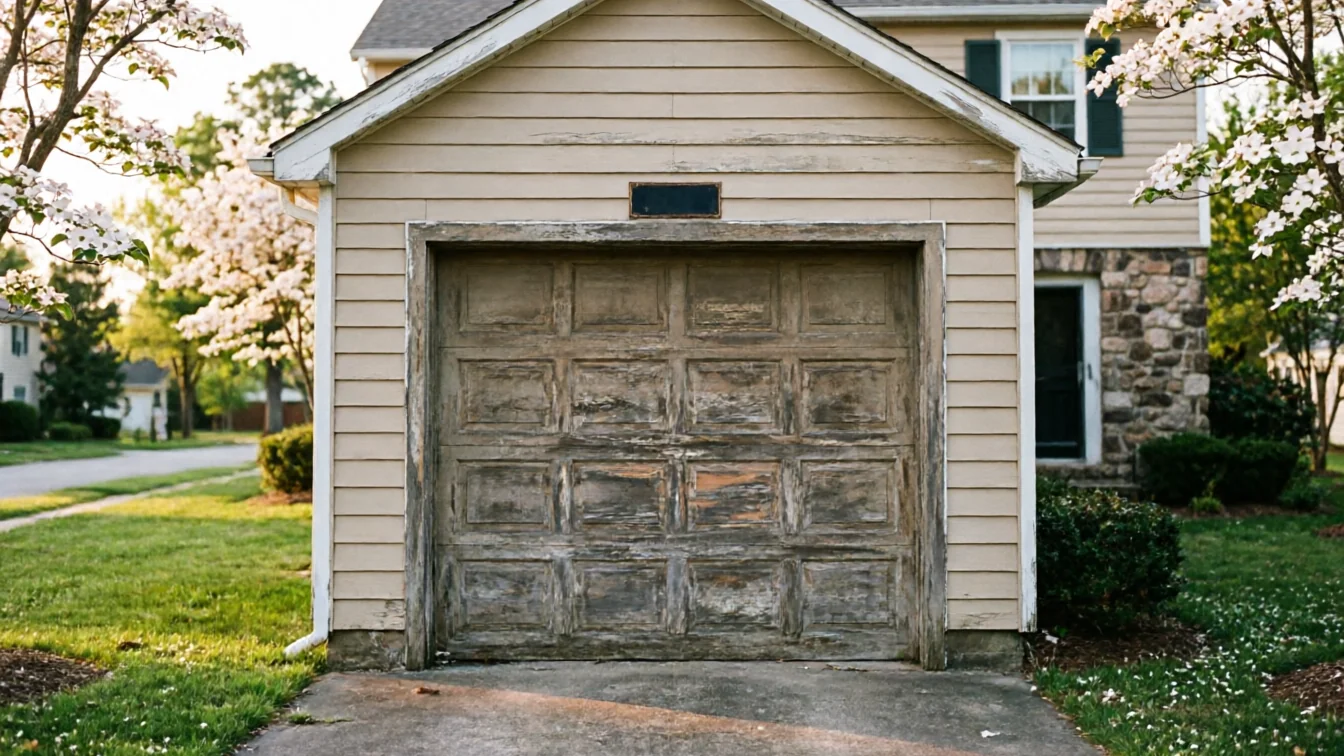 What an Older Door Is Worth Fixing in Florence
Florence homes mostly date 1938-2005, median 1984.
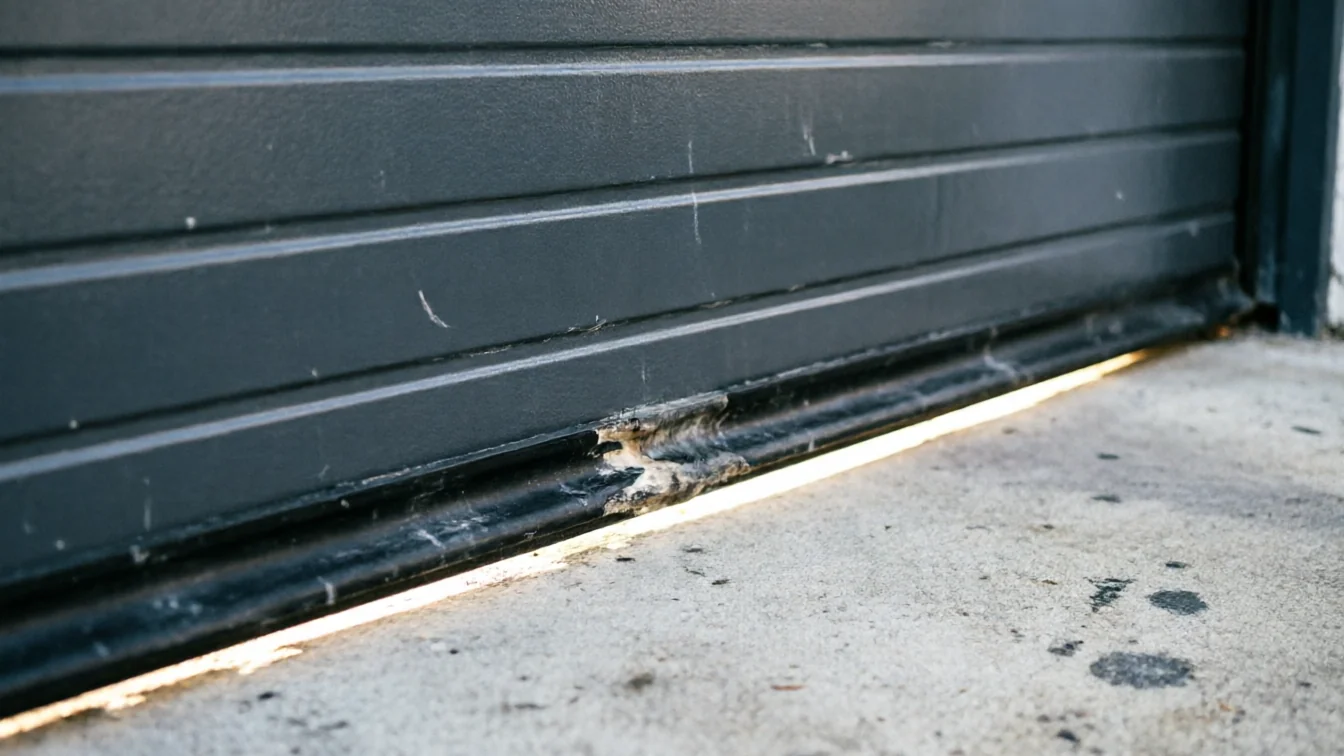 What's actually wrong with your garage door in Florence
A look at why Florence garages fail the way they do: 1980s-era doors, cold-severe winters, and the parts that wear out first on houses built here between 1938 and 2005.
Ready when you are
Need a garage door sorted in Florence?
Florence Garage Door Pros repairs and installs garage doors, springs and openers in Florence, KY and the surrounding area.