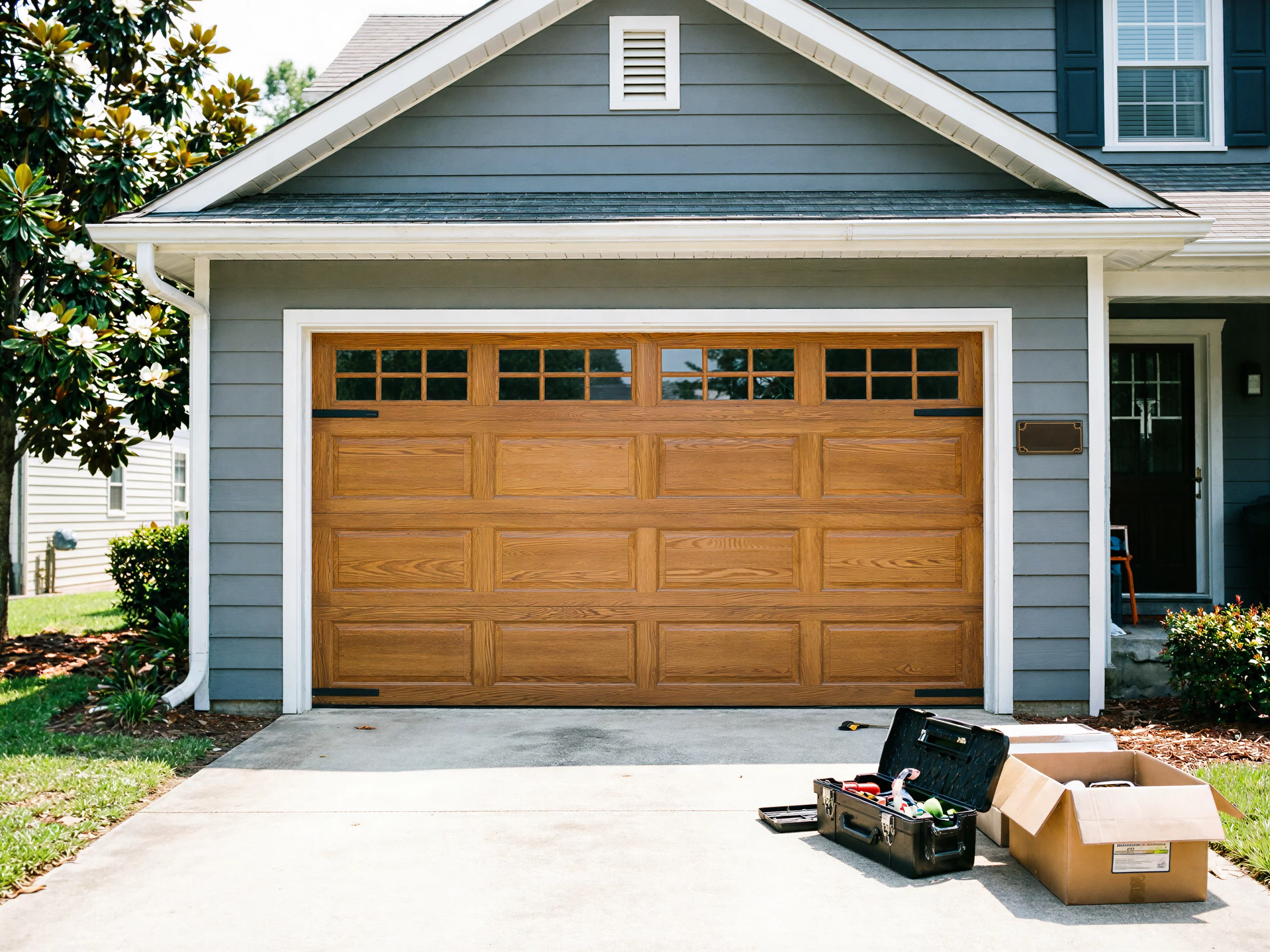
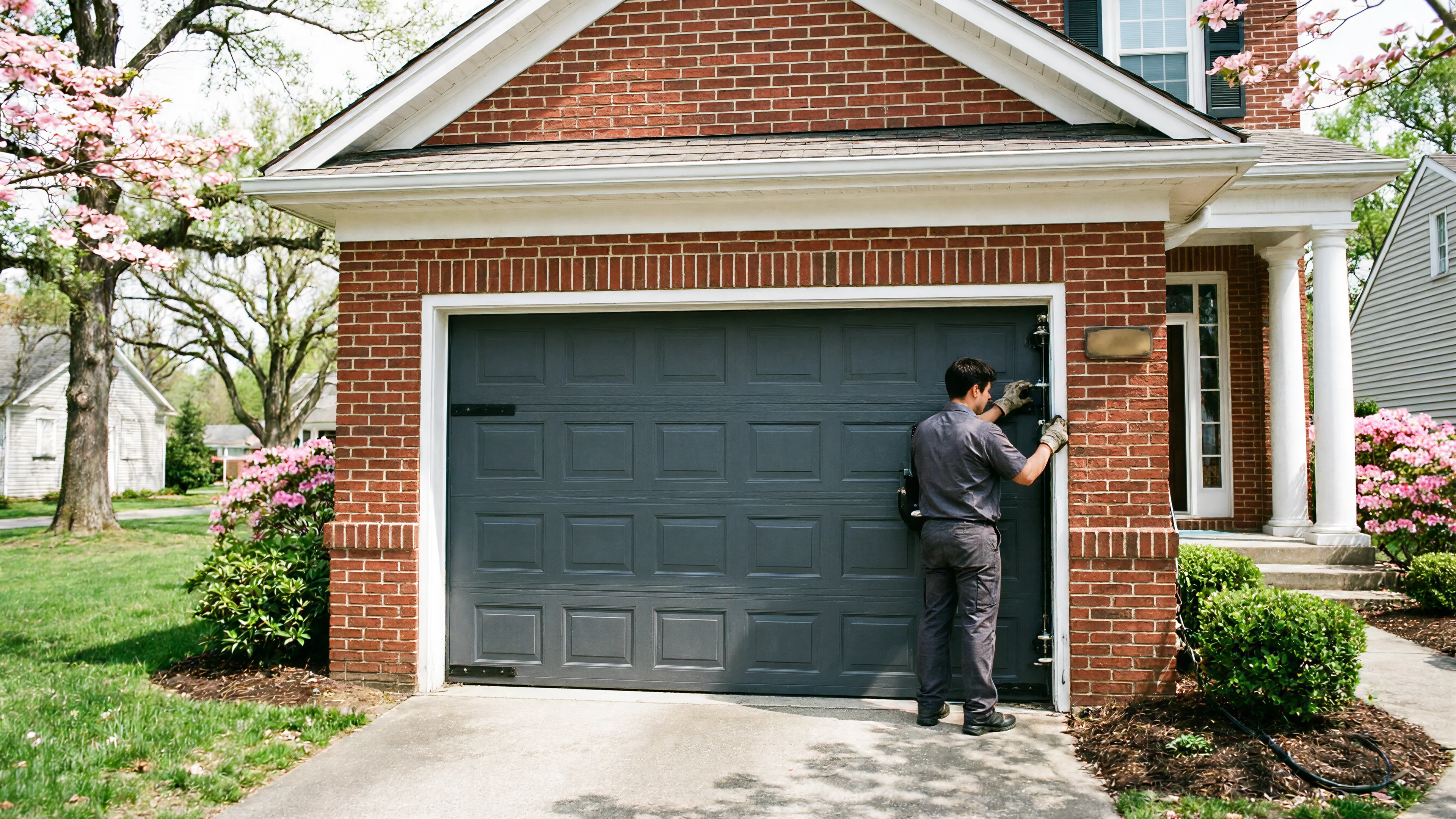
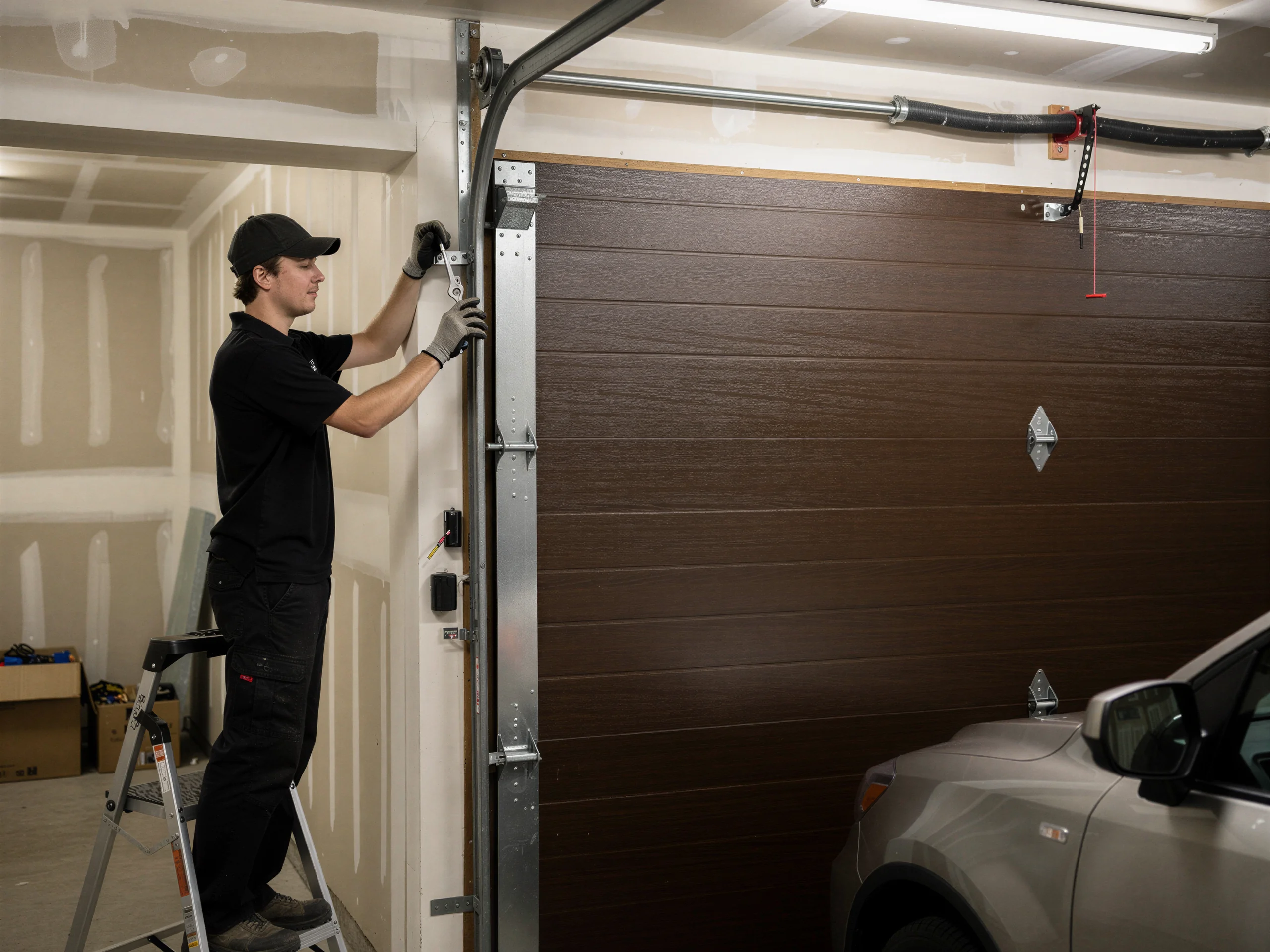
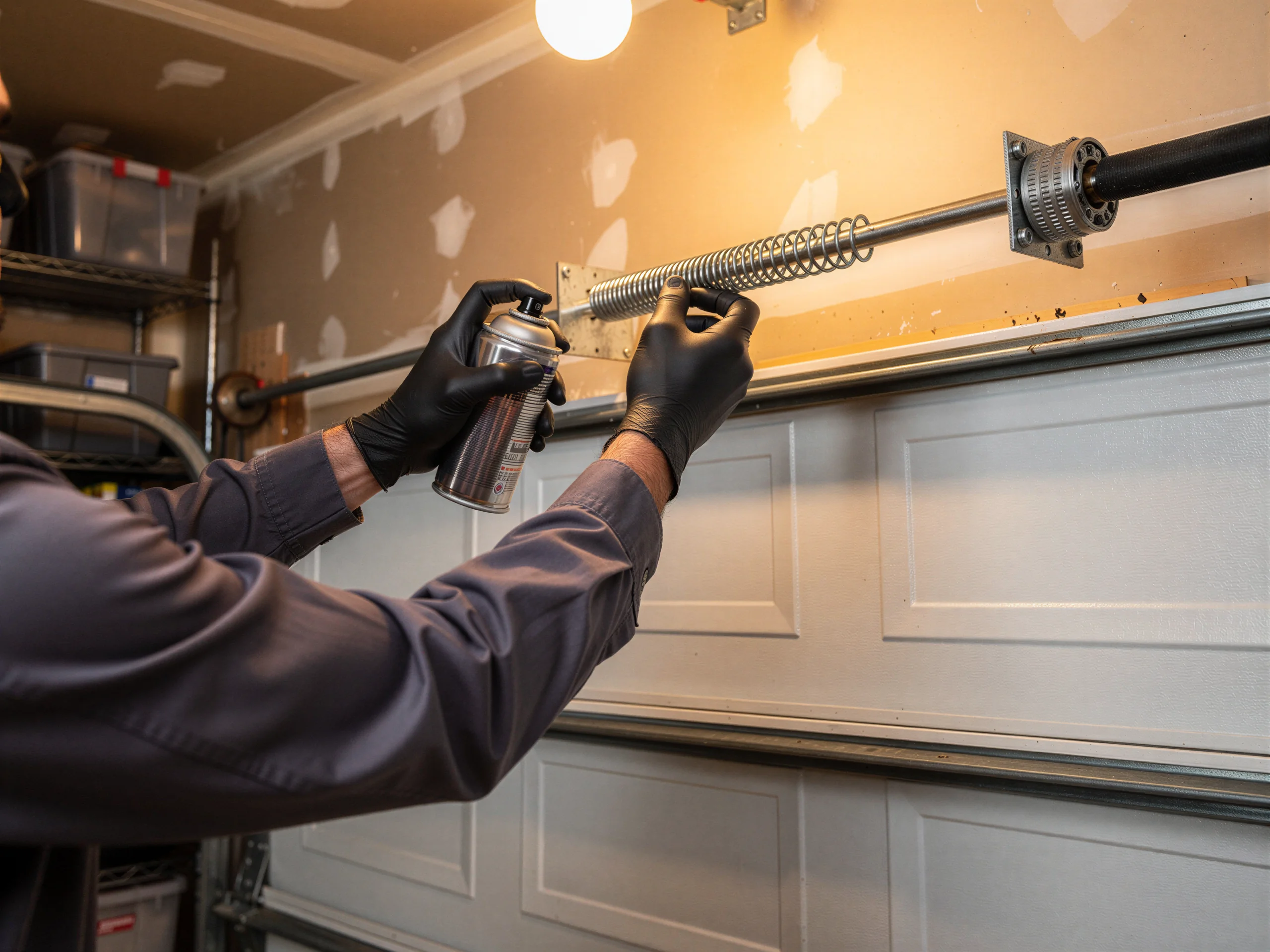
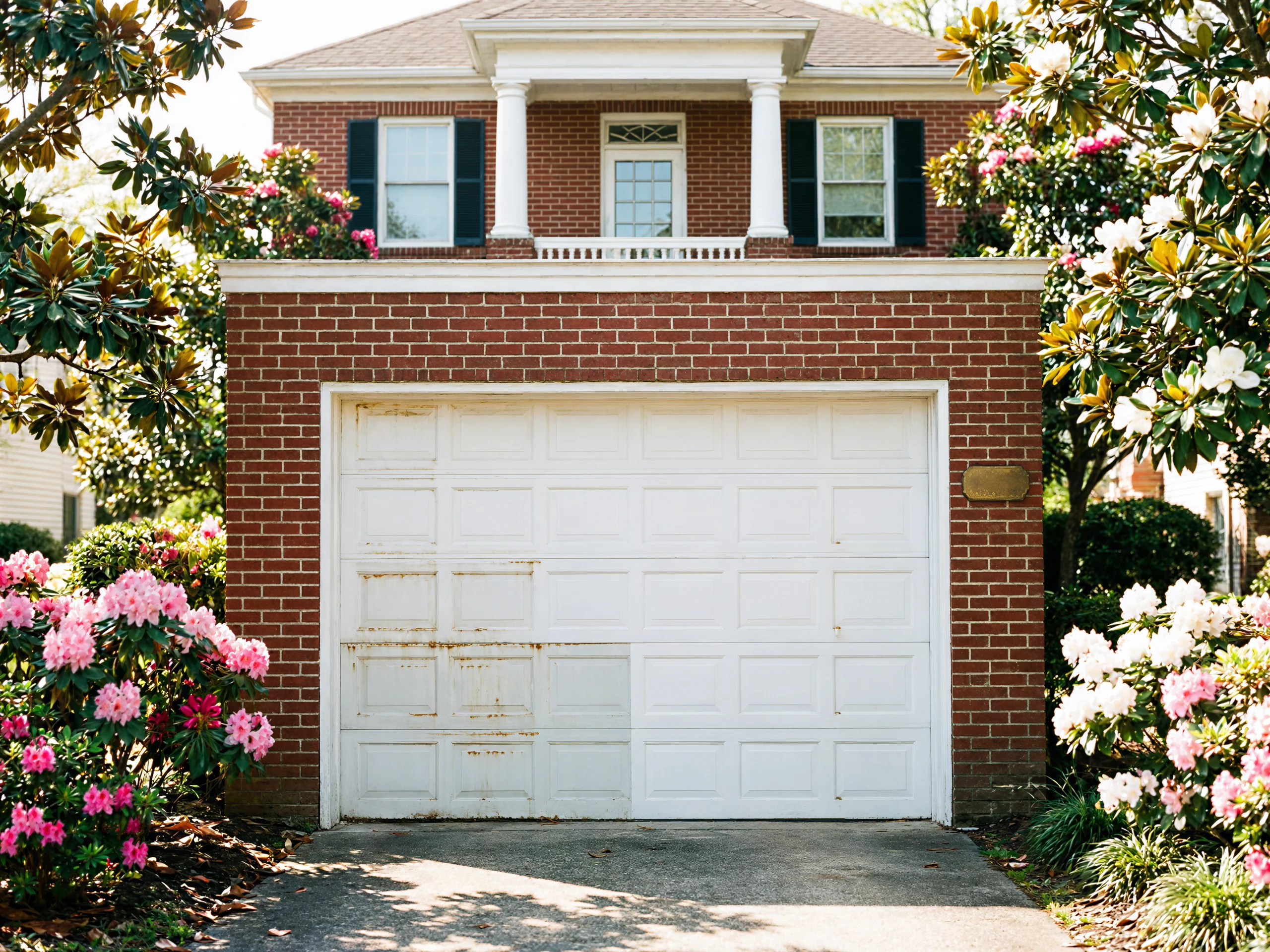
The service area sits in a cold, severe winter climate zone, and that cuts differently depending on the age of the door. A steel sectional door built to mid-1990s spec, which is what most Hebron openings are carrying, usually has a factory weatherstrip and bottom seal that's now 25-plus years into a climate that cycles hard between freeze and thaw. The seal doesn't fail dramatically. It shrinks, cracks at the corners, and lets a draft in that the homeowner notices as a cold garage, not as a door problem.
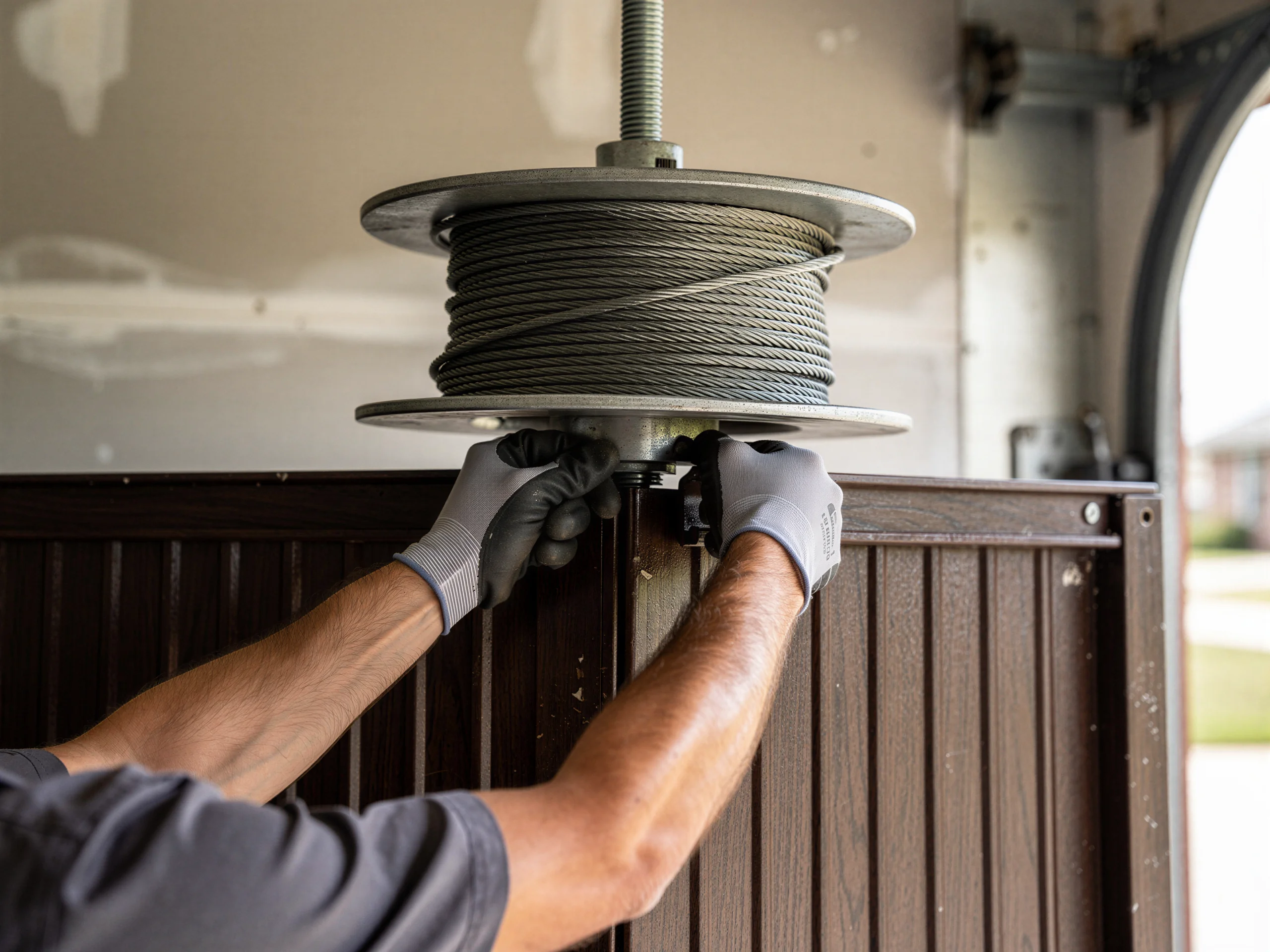
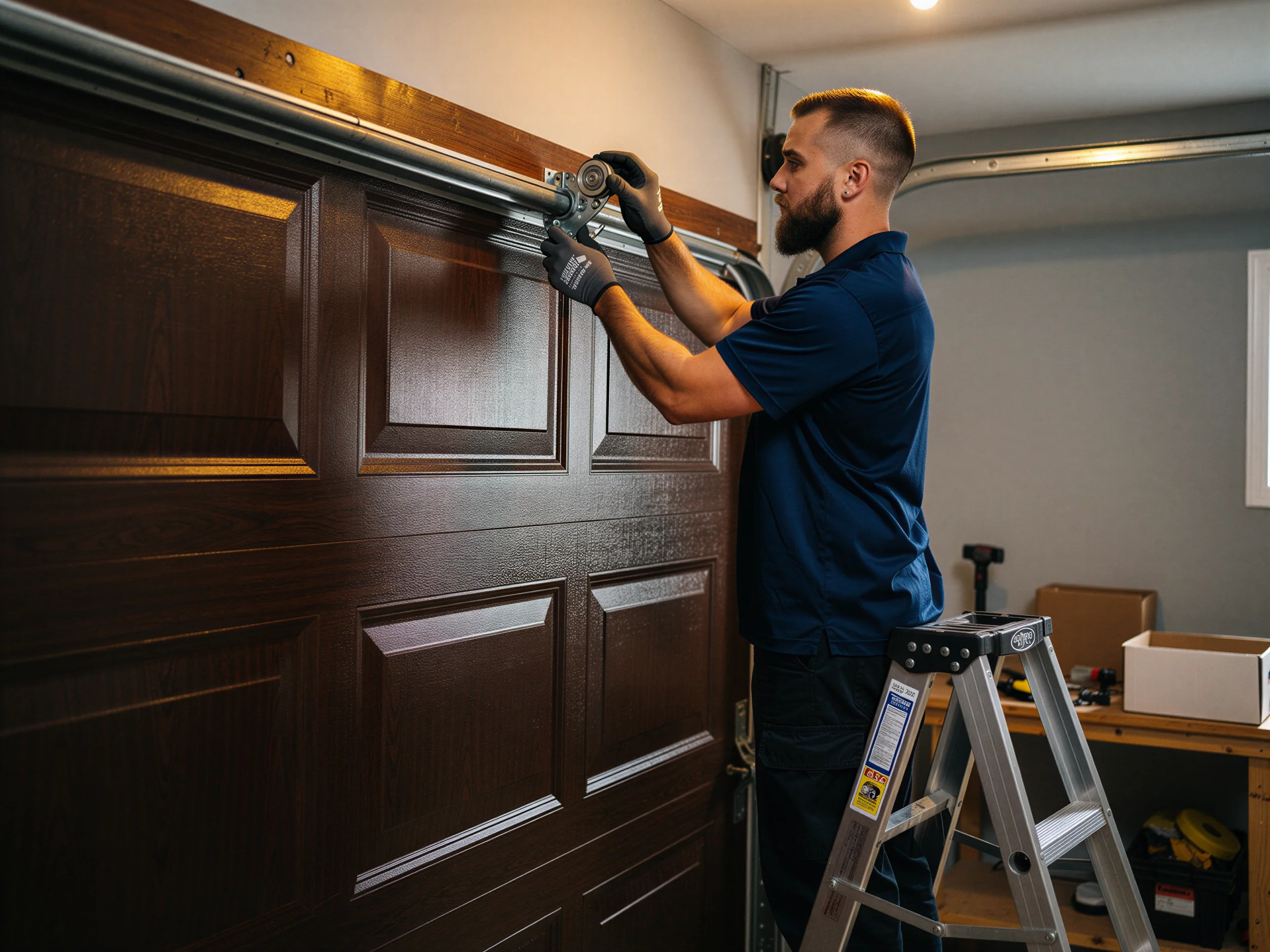
When that door finally gets replaced, the install has to account for that same cold-climate cycling going forward: a track set correctly for temperature swing, a bottom seal rated for it, and an opener with cold-weather-rated gearing if the garage is attached and heated space sits behind it. Skip that step and you've installed a door that looks right on day one and binds up by the second winter.
This is also where the 1996-era opening sizes matter. Panel widths and header clearances from that build period aren't identical to the 1984 median stock seen elsewhere in the area, so a door ordered to a generic spec sheet instead of a measured opening is the single most common cause of a return visit we see on newer builds like these.